Battery factory & manufacturing
Dingwei Battery provides OEM and private-label battery programs manufactured by Chengguang Power Tech Co., Ltd. (founded 2002). Manufacturing is performed by Chengguang Power Tech Co., Ltd. at its facility in Maju Industrial Park, Jinzhou, Hebei, China.
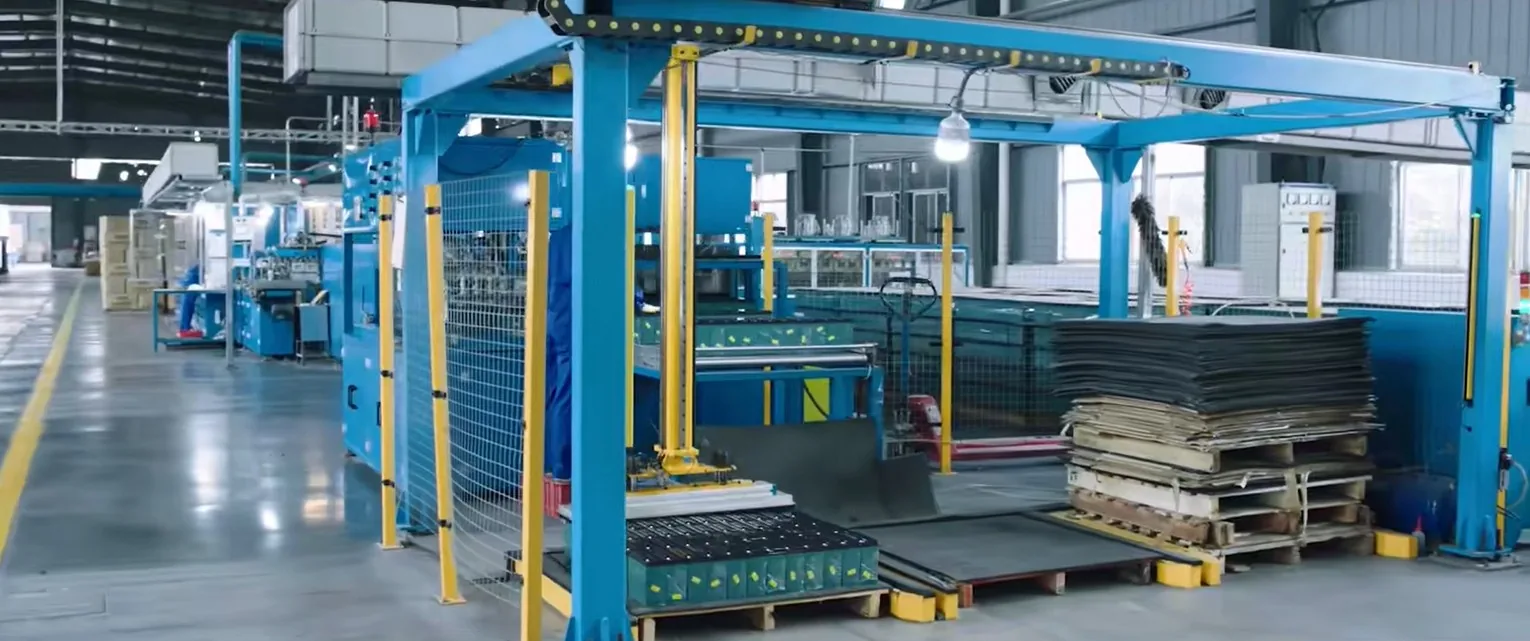
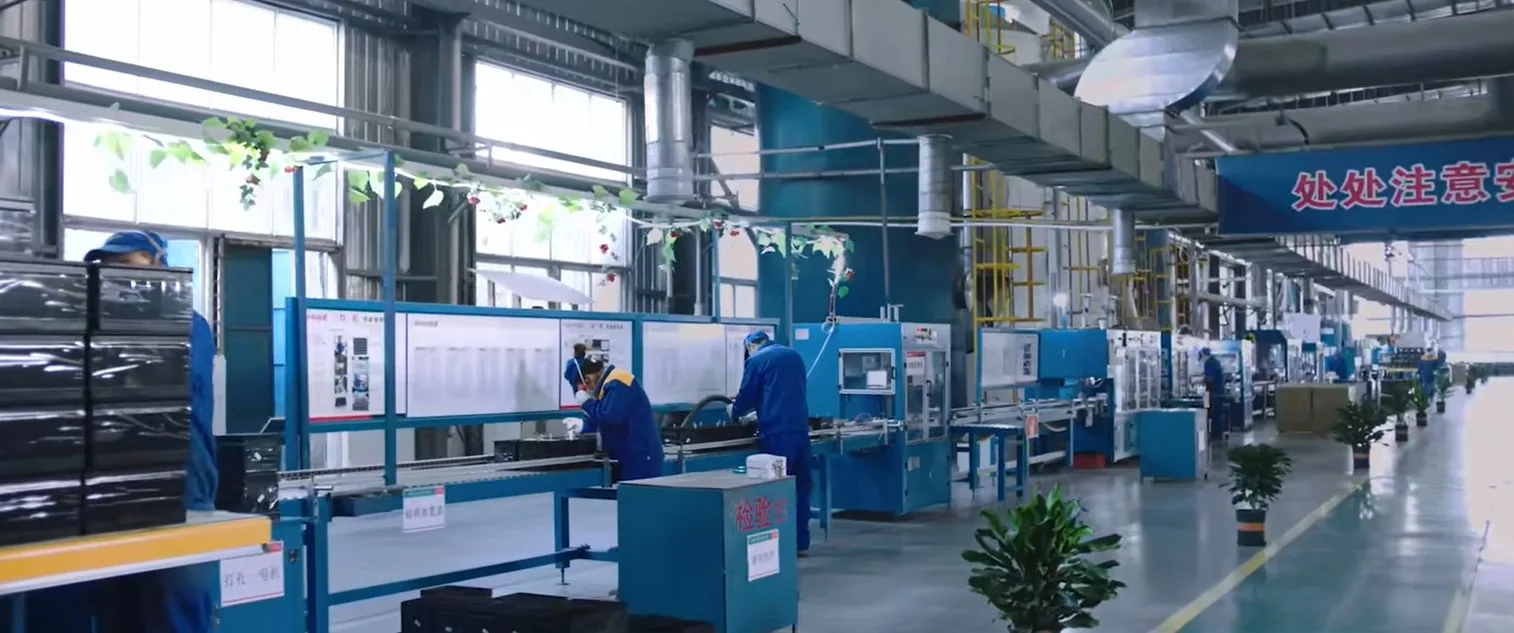
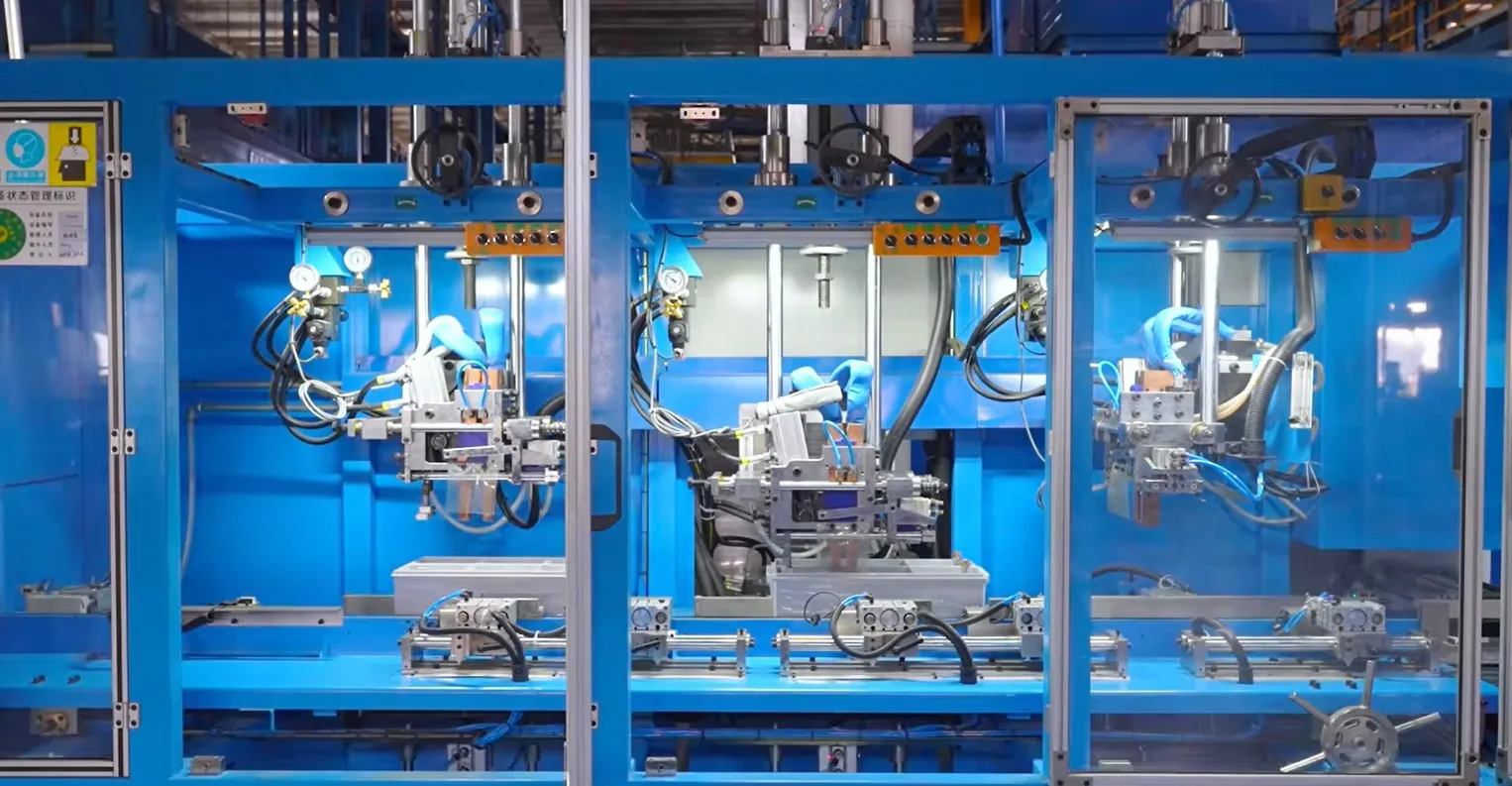
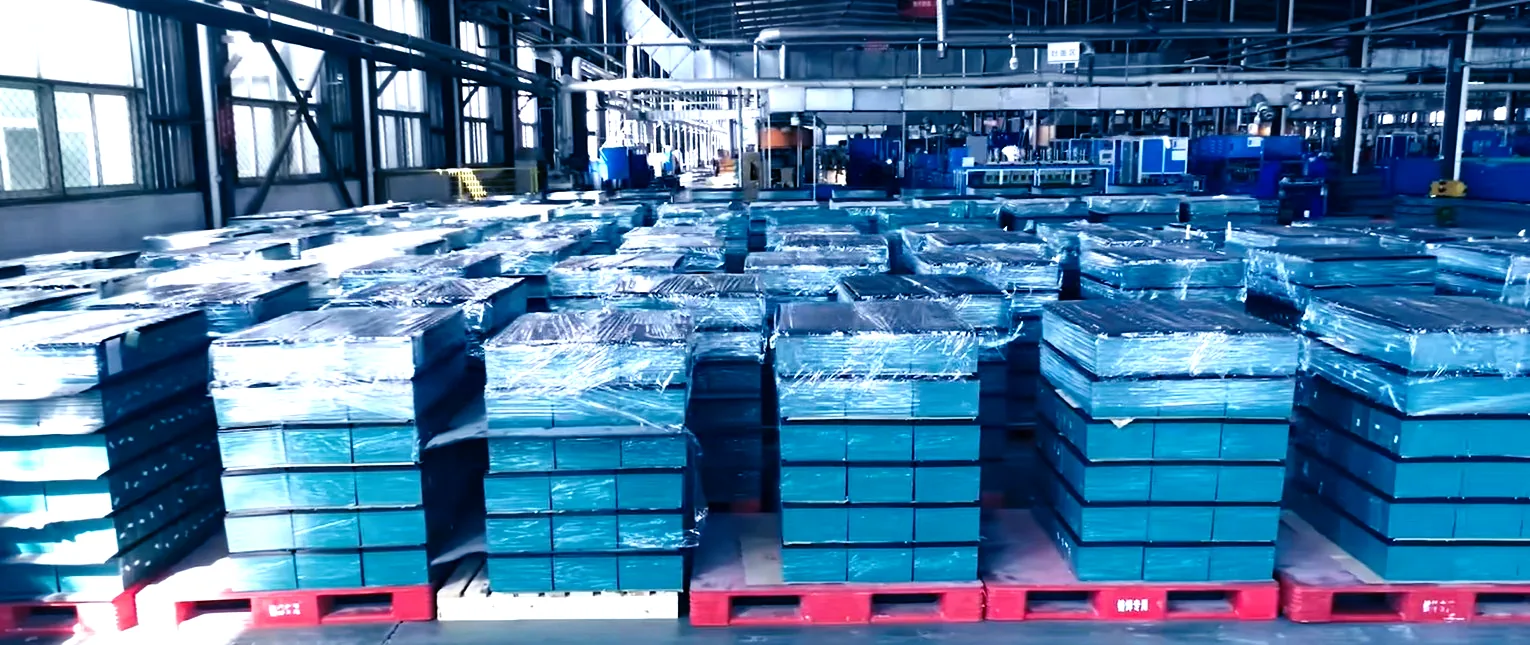
Factory floor
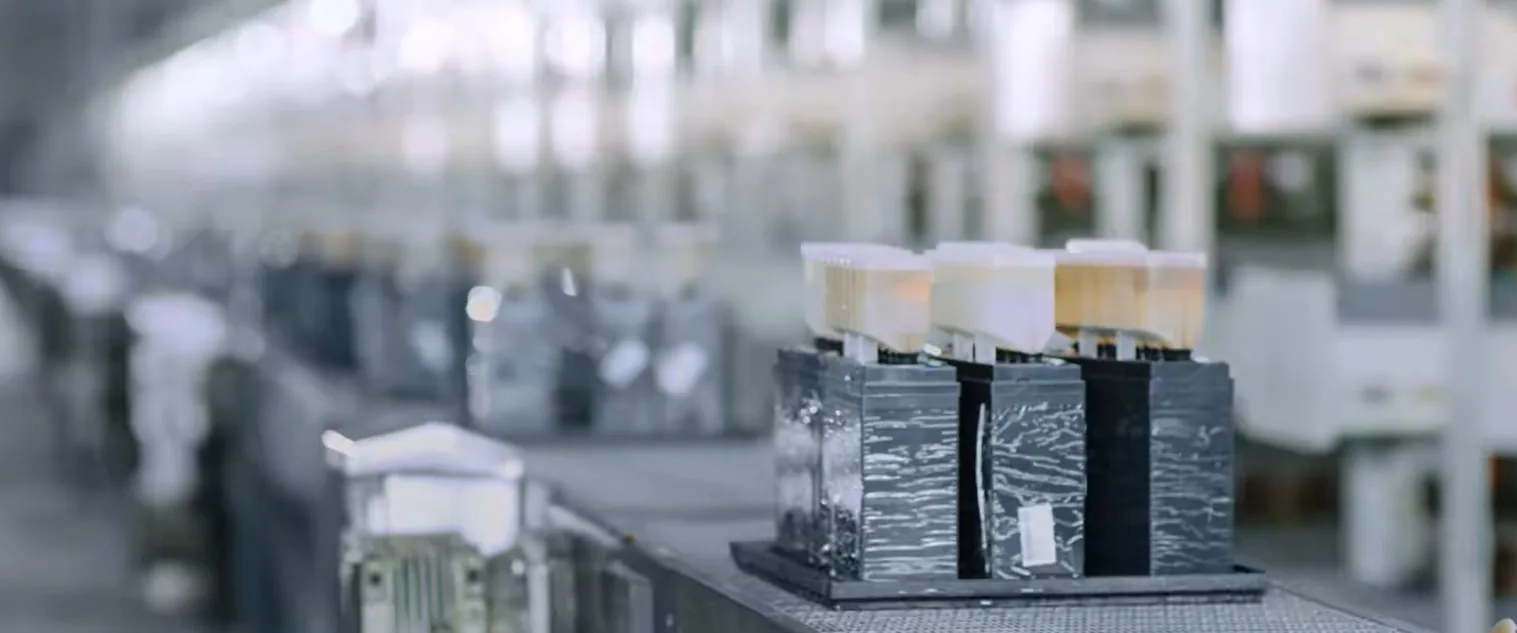
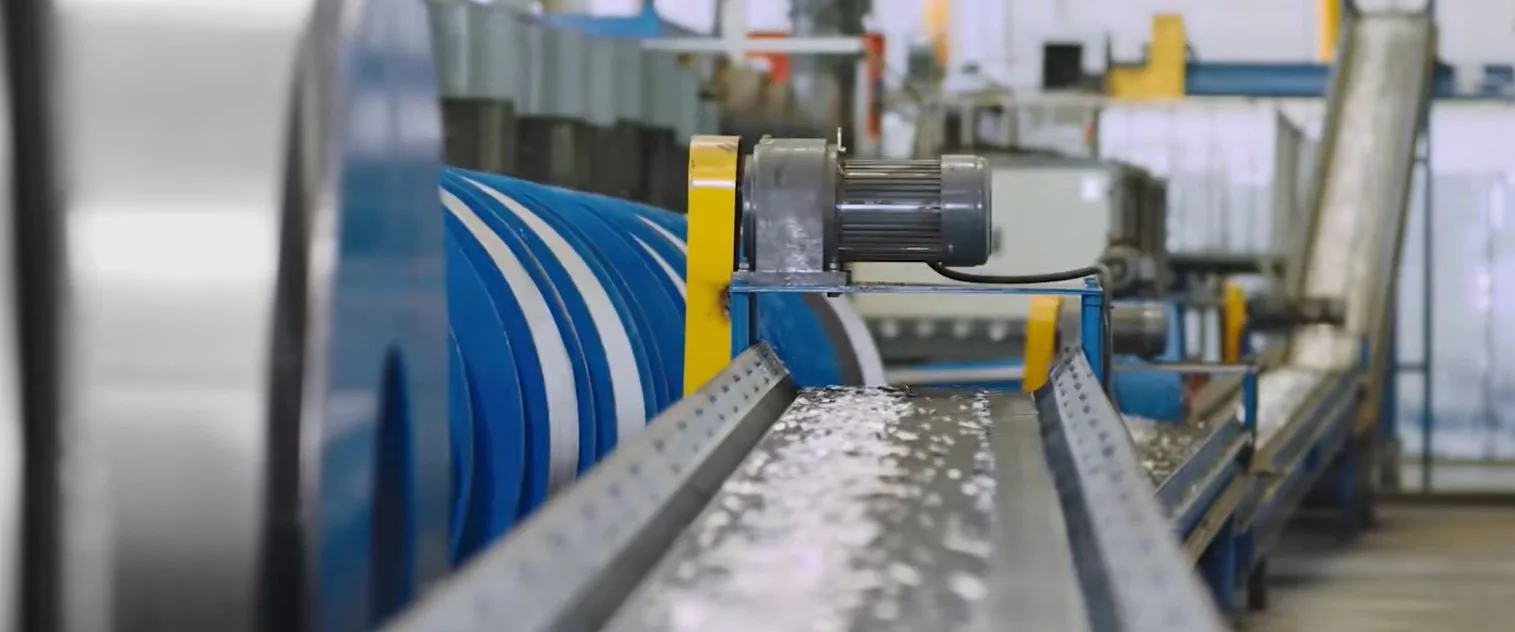
Inside the Chengguang Power Tech Co., Ltd. lead-acid battery plant in Maju Industrial Park, Jinzhou, Hebei, China.
Manufacturer profile
Company
Chengguang Power Tech Co., Ltd. (Chengguang Power Tech)
Founded
2002
Location
Maju Industrial Park, Jinzhou, Hebei, China
Facility
200,000 m², 18 automated lines
Daily output
40,000 batteries per day
Annual capacity
10,000,000 KVAh
Export markets
70+ countries, via Tianjin / Shanghai
The manufacturing process: ten stages — and what each controls
A buyer who understands these ten stages can audit a factory properly — each stage is a quality checkpoint, and each checkpoint controls a specific output.
- Grid casting — lead alloy grid; maintenance-free batteries use lead-calcium. Controlled: grid thickness, alloy composition and weight — they set mechanical strength and conductivity.
- Paste mixing — paste consistency determines capacity. Controlled: paste density and acid-to-oxide ratio — they set capacity and cycle life.
- Pasting — even paste application on the grid. Controlled: paste weight and distribution — uneven paste is the root of capacity variation.
- Curing — 2–4 days of crystallisation that determines mechanical strength. Controlled: temperature and humidity over the curing window — they set plate strength and porosity.
- Assembly — plates and separators into the case. Controlled: plate count, alignment and compression — they set internal resistance and therefore CCA.
- Welding — lug and terminal welding. Controlled: weld integrity — a poor weld adds resistance and heat under load.
- Electrolyte filling — acid fill. Controlled: acid density and fill level — they set both capacity and cold-cranking performance.
- Formation charging — activates the active material. Controlled: charge profile and duration — under-formation leaves capacity on the table.
- Sealing & finishing — lid sealing. Controlled: seal integrity — the leak-prevention checkpoint.
- Testing & packaging — 100% electrical performance testing. Controlled: CCA, capacity, voltage and leak — every battery is tested before packing.
Quality control — what is verified
| Control | What it verifies | Record |
|---|---|---|
| 100% end-of-line electrical test | CCA, capacity, voltage and leak on every unit | Batch test record |
| Batch traceability | Raw material to finished battery | Lot number |
| Random sampling inspection | Dimensions, appearance and performance against spec | Inspection record |
| IATF 16949 quality system | Process control and corrective action | Certificate + audit record |
Specific acceptance limits (for example CCA tolerance or capacity tolerance) are defined per product specification. Request the batch certificate of analysis (CoA) for the lot you are buying.
Capacity
200,000 m² facility, 18 automated lines, 40,000 batteries per day.
Export capability
Export to 70+ countries from Tianjin / Shanghai, with full export documentation including certificate of analysis, packing list, bill of lading, certificate of origin and test reports.
Certifications
Certifications held by Chengguang Power Tech Co., Ltd.:
- IATF 16949
- ISO 9001
- ISO 45001
- OHSAS 18001
Standards manufactured
Battery platforms are supplied to these standard families: JIS, DIN, BCI, AS, SA.
Evaluate our manufacturing capability
Tell us your specification, target market and annual volume. We will prepare an OEM or private-label program for review.
Request OEM Quote